
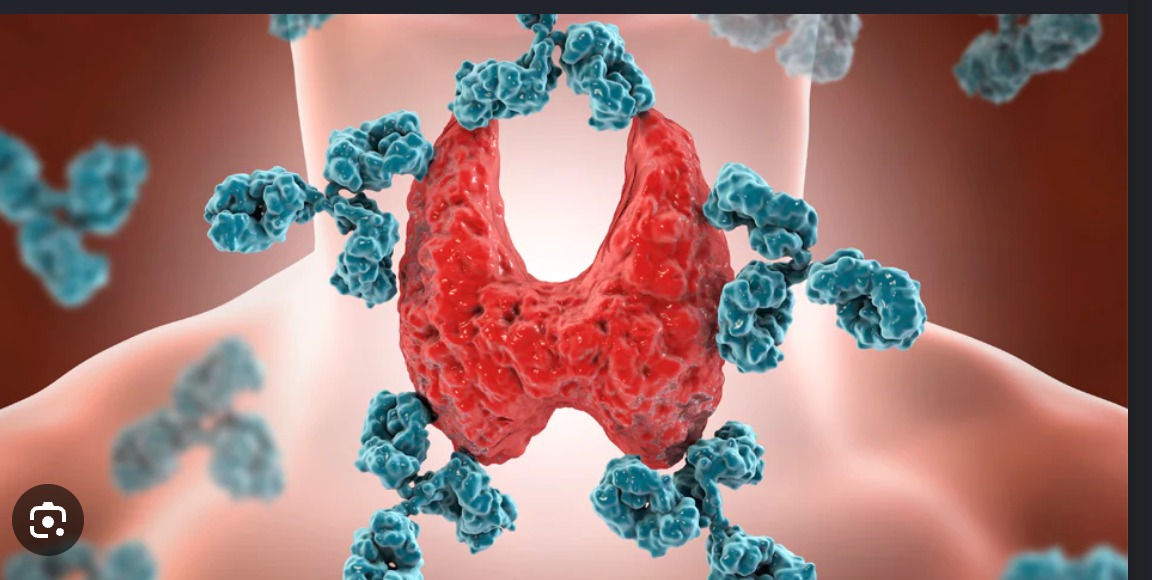
Hashimoto’s Isn’t Just About Thyroid Hormones: How Autoimmune Research Is Changing Treatment
For many people, the first sign of Hashimoto’s autoimmune disease is an abnormal thyroid blood test. What those results don’t reveal is that the immune system may have been attacking the thyroid for months—or even years—before thyroid hormone levels begin to change.
If you aren’t familiar with the role the thyroid plays in your body or the blood tests doctors use to evaluate thyroid health, you may find our guide on Are You Taking Your Thyroid Seriously
If your thyroid isn’t producing enough hormone, levothyroxine is usually the first treatment. It replaces what your thyroid can no longer make, and, for many people, it works very well.
But Hashimoto’s autoimmune disease isn’t simply a hormone problem. It’s an autoimmune thyroid disease, meaning the immune system mistakenly recognises the thyroid as something it shouldn’t be. Long before thyroid hormone levels become abnormal, the immune system may already be attacking the thyroid, and that process can continue even after blood tests return to the normal range with medication.
Known medically as Hashimoto’s thyroiditis, it’s an autoimmune thyroid disease in which the immune system mistakenly recognises the thyroid as something it shouldn’t be. Long before thyroid hormone levels become abnormal, the immune system may already be attacking the thyroid, and that process can continue even after blood tests return to the normal range with medication.
Understanding Hashimoto’s Autoimmune Disease
Hashimoto’s is an autoimmune thyroid disease in which the immune system mistakenly attacks the thyroid gland. While thyroid hormone replacement remains the standard treatment for people with hypothyroidism, discoveries involving immune tolerance, regulatory T cells (Tregs), and the FOXP3 gene are giving scientists a better understanding of how autoimmune diseases develop. Those findings are opening new avenues of research aimed at protecting the thyroid before permanent damage occurs.
But Hashimoto’s isn’t simply a hormone problem.
It’s an autoimmune disease. In other words, the immune system mistakenly recognises the thyroid as something it shouldn’t be. That attack often begins years before thyroid hormone levels become abnormal and may continue even after blood tests are back in the normal range with medication.
This is why the conversation around Hashimoto’s has started to change. Rather than looking only at hormone replacement, scientists are trying to understand what causes the immune system to lose tolerance in the first place. If that process can be better understood, future treatments may be able to do more than replace thyroid hormone—they may help slow or prevent the damage before it becomes permanent.
Understanding Hashimoto’s
Why Hashimoto’s Can Feel So Different From One Person to the Next
No two people experience Hashimoto’s in the same way.
One person may struggle with constant fatigue, while another notices brain fog, forgetfulness, or difficulty concentrating. Some develop anxiety or depression, while others are more bothered by muscle aches, dry skin, constipation, hair thinning, or swelling around the thyroid.
Symptoms can also change over time. Early in the disease, the thyroid doesn’t simply stop working overnight. It may continue producing enough hormones some days and less on others. That’s one reason people often describe having “good days” followed by days when they suddenly feel exhausted or mentally drained.
The thyroid has a remarkable ability to compensate for damage. Even after part of the gland has been affected by the immune system, the remaining healthy tissue may continue producing enough hormone to keep blood tests within the normal range. That’s one reason symptoms, antibody levels, and thyroid hormone results don’t always move together.
Because these symptoms are common to many health conditions, Hashimoto’s is frequently mistaken for ordinary hypothyroidism until thyroid antibody tests—such as TPOAb or TgAb—show that the immune system is involved.
Why the Immune System Has Become the Focus
Over the last several decades, scientists have learned much more about what keeps the immune system from attacking the body’s own tissues.
A major milestone came from research on regulatory T cells, usually called Tregs. Instead of fighting infections, these cells help keep the immune system under control. You can think of them as the body’s internal “braking system”. Without enough properly functioning Tregs, immune cells are more likely to attack healthy organs, including the thyroid.
Another important discovery involved a gene called FOXP3, which is essential for regulatory T cells to develop and work normally. When this gene is altered, immune regulation can break down, making autoimmune diseases far more likely.
The importance of these discoveries was recognised with the 2025 Nobel Prize in Physiology or Medicine, awarded to Mary E. Brunkow, Fred Ramsdell, and Shimon Sakaguchi for advancing our understanding of peripheral immune tolerance—the process that helps prevent the immune system from attacking the body’s own tissues.
Although this work wasn’t limited to Hashimoto’s, it has changed how scientists think about autoimmune disease as a whole. Instead of asking only how to replace hormones after damage occurs, researchers are now exploring whether restoring immune tolerance could one day help protect the thyroid before irreversible damage develops.
This difference explains why some people continue to experience symptoms even after their thyroid hormone levels return to the normal range. Replacing thyroid hormone corrects the hormone deficiency, but it doesn’t directly change the autoimmune process that damaged the thyroid in the first place. That’s one reason researchers have become increasingly interested in understanding the immune system itself rather than focusing only on hormone replacement.
How Autoimmune Research Is Changing Hashimoto’s Treatment
What the Nobel Prize Discoveries Mean for People With Hashimoto’s?
Managing Hashimoto’s Today
What Can You Do Right Now?
So what does all of this mean if you’re living with Hashimoto’s today? It’s probably the same question your doctor hears every week: What can I do right now? Fortunately, you don’t have to wait for tomorrow’s treatments to start feeling better.
If your doctor has prescribed thyroid hormone, taking it consistently is still one of the best things you can do. It replaces the hormone your thyroid can no longer make and allows the rest of your body to function normally.
Medication is only one part of the picture, though. The small choices you make every day can have a real impact on your energy, sleep, and overall well-being.
Will any of this change the way Hashimoto’s is treated?
Not today—but it has completely changed where scientists are looking for answers.
For many years, once Hashimoto’s damaged the thyroid enough to reduce hormone production, treatment followed a familiar path: replace the missing hormone. That approach is still the right one for people whose thyroid can no longer keep up. Levothyroxine has helped millions of people return to normal thyroid hormone levels, and for many, it’s all they need.
What it doesn’t do is stop the immune system from attacking the thyroid.
That’s the difference between treating the consequences of Hashimoto’s and understanding what causes the disease in the first place.
Because of that, research has shifted in a new direction. Instead of asking only how to replace thyroid hormone, scientists are trying to figure out whether the immune attack itself can be interrupted before more thyroid tissue is lost.
No one has accomplished that yet, but several ideas are moving from the laboratory into early clinical testing.
Regulatory T-Cell (Treg) Therapy
One of the most promising builds on the regulatory T cells we discussed earlier. Since these cells normally keep the immune system from attacking healthy tissue, researchers are exploring ways to strengthen them or increase their numbers. The hope is that they could help restore the immune system’s natural balance instead of simply suppressing immune activity across the board.
That’s a very different strategy from older immune-suppressing medications, which often reduce the body’s ability to fight infections.
Low-Dose Interleukin-2 (IL-2)
Another possibility involves a naturally occurring immune messenger called interleukin-2 (IL-2). At very low doses, IL-2 appears to encourage regulatory T cells to grow without overstimulating the rest of the immune system. Whether it will eventually benefit people with Hashimoto’s is still being studied, but it’s another example of how autoimmune research is moving in a new direction.
Immune Tolerance Therapy
Researchers are also interested in immune tolerance therapy. The name sounds complicated, but the goal is easy to understand: teach the immune system that the thyroid belongs there and shouldn’t be treated like an invader. If that approach proves successful, future treatments could become much more precise than anything currently available.
Of course, exciting ideas don’t automatically become approved therapies. Every new treatment has to go through years of testing before doctors know whether it’s both safe and effective. That’s why it’s wise to be sceptical of anyone claiming they can “reset” the immune system or reverse Hashimoto’s today. Those promises simply aren’t backed by solid clinical evidence.
Other Areas of Research
One topic that has received a great deal of attention recently is the gut microbiome—the trillions of bacteria and other microorganisms living in the digestive tract.
At first, it may seem unrelated to the thyroid. In reality, the digestive system and the immune system communicate constantly. Scientists are investigating whether differences in gut bacteria influence autoimmune diseases and whether improving the microbiome could eventually become part of treatment. There’s a lot of excitement surrounding this research, but there are still many unanswered questions.
You may also come across the term precision medicine. Put simply, it’s the idea that treatment shouldn’t be identical for everyone. As doctors learn more about the immune system, they hope to match therapies to each person’s unique biology rather than relying on the same approach for every patient. That may seem like a distant goal, but it’s already becoming reality in cancer care and several other medical specialties.
Managing Hashimoto’s Today
Taking Action Today
So what does all of this mean if you’re living with Hashimoto’s today? You may be asking the same question that many people with Hashimoto’s ask:
What can I do right now?
Fortunately, you don’t have to wait for tomorrow’s treatments to start feeling better. If your doctor has prescribed thyroid hormone, taking it consistently is still one of the best things you can do. It replaces the hormone your thyroid can no longer make and allows the rest of your body to function normally.
Medication is only one part of the picture, though. The small choices you make every day can have a real impact on your energy, sleep, and overall well-being.
Nutrition

Food is probably the topic that creates the most confusion. Despite what you may see online, there isn’t one eating plan that’s right for everyone with Hashimoto’s. A good place to start is by filling your plate with a variety of vegetables, low-glycemic fruits, beans, whole grains, quality proteins, and healthy fats such as olive oil, nuts, seeds, and avocados.
When your budget allows, choosing organic fruits and vegetables, 100% grass-fed and grass-finished meats, and wild-caught fish and seafood can be another way to emphasise nutrient-dense foods. These foods provide high-quality protein along with nutrients such as selenium, zinc, and omega-3 fatty acids, which play important roles in normal thyroid function and immune health.
Many people also find they feel better when they cut back on ultra-processed foods, refined carbohydrates, sugary drinks, and foods with added sugars. While these changes won’t stop the autoimmune process, they may help support steady energy levels and overall well-being.
You may also hear about gluten-free or dairy-free diets. Some people with Hashimoto’s notice they feel better after removing one or both, particularly if they have celiac disease, a diagnosed food allergy, or another confirmed food sensitivity. Others notice no difference at all. Because everyone’s experience is different, it’s a good idea to talk with your healthcare provider or a registered dietitian before making major dietary changes so your nutritional needs continue to be met.
Want to learn more about nutrition and thyroid health? Read my article, Healthy Nutrition for Your Thyroid Health, for practical tips on building a thyroid-friendly eating pattern.
Sleep and Exercise
Sleep deserves more attention than it usually gets. Many people don’t realize how much poor sleep affects their symptoms until they finally begin sleeping well on a regular basis. Hashimoto’s already causes fatigue for many people, and a few restless nights can make brain fog, low energy, and mood changes feel even worse.
Exercise doesn’t have to mean spending hours in the gym. Taking a walk after dinner, riding a bike, swimming, lifting weights, stretching, gardening, or dancing are all excellent ways to stay active. The important thing is finding something you enjoy enough to keep doing.
Looking for guided workouts? Browse our collection of thyroid-friendly exercise videos and find a routine that fits your fitness level and goals
Nutrient Deficiencies
If you’re still feeling unwell even though your thyroid levels look good, your doctor may check for other possible reasons. Low levels of vitamin D, vitamin B12, iron, selenium, or zinc sometimes add to tiredness and other lingering symptoms, and correcting those deficiencies can make a meaningful difference.
What About Low-Dose Naltrexone (LDN)?
You may also hear about low-dose naltrexone (LDN). Interest in LDN has grown because of its possible effects on immune regulation, and some people report feeling better while taking it. At the moment, however, there aren’t enough high-quality clinical studies to know exactly how effective it is for Hashimoto’s, so it hasn’t become part of standard treatment
Looking Ahead: A New Chapter in Hashimoto’s Care
If there’s one lesson from all of this, it’s that our understanding of Hashimoto’s has changed dramatically.
Not very long ago, it was viewed mostly as a thyroid disorder. Today it’s recognised as an autoimmune disease that happens to affect the thyroid. That shift in thinking has changed the kinds of questions researchers are asking and the kinds of treatments they’re trying to develop.
The discoveries recognised by the 2025 Nobel Prize didn’t produce an immediate cure, but they did give scientists a much deeper understanding of how the immune system normally keeps itself from attacking healthy tissues—and what happens when that protective system fails. Those discoveries are already guiding the next generation of autoimmune research.
Medical progress rarely happens all at once. It comes from years of careful work, with each study answering one more important question.
For now, the best approach is still a practical one: take your medication as prescribed, stay connected with your healthcare provider, keep up with routine monitoring, and look after your overall health. At the same time, it’s encouraging to know that researchers are no longer focused only on replacing thyroid hormone. They’re working toward something much bigger—finding ways to protect the thyroid before lasting damage occurs.
Reference:
-
- Brunkow ME, Jeffery EW, Hjerrild KA, Paeper B, Clark LB, Yasayko SA, Wilkinson JE, Galas D, Ziegler SF, Ramsdell F. Disruption of a new forkhead/winged-helix protein, scurfin, results in the fatal lymphoproliferative disorder of the scurfy mouse. Nat Genet. 2001;27:68-73.
- Wildin RS, Ramsdell F, Peake J, Faravelli F, Casanova JL, Buist N, Levy-Lahad E, Mazzella M, Goulet O, Perroni L, Bricarelli FD, Byrne G, McEuen M, Proll S, Appleby M, Brunkow M. X-linked neonatal diabetes mellitus, enteropathy and endocrinopathy syndrome is the human equivalent of mouse scurfy. Nat Genet. 2001;27:18-20.
- Bennett CL, Christie J, Ramsdell F, Brunkow ME, Ferguson PJ, Whitesell L, Kelly TE, Saulsbury FT, Chance PF, Ochs HD. The immune dysregulation, polyendocrinopathy, enteropathy, X-linked syndrome (IPEX) is caused by mutations of FOXP3. Nat Genet. 2001;27:20-21.
- Hori S, Nomura T, Sakaguchi S. Control of regulatory T cell development by the transcription factor Foxp3. Science. 2003;299:1057-1061.
- Caturegli P, et al. Hashimoto’s Thyroiditis: Clinical Features and Autoimmune Mechanisms. N Engl J Med. 2014; 371:993-1004.
- Weetman AP. Autoimmune Thyroid Disease: Propagation and Management. Lancet. 2012; 379:1141-1152.
- American Thyroid Association (ATA). Guidelines for the Management of Thyroid Disease. https://www.thyroid.org/professionals/ata-professional-guidelines/
- National Institute of Diabetes and Digestive and Kidney Diseases (NIDDK). Hashimoto’s Disease Overview. https://www.niddk.nih.gov/health-information/endocrine-diseases/hashimotos-disease
- Cleveland Clinic. Thyroid Antibodies Testing. https://my.clevelandclinic.org/health/diagnostics/thyroid-antibodies
-
National Institute of Diabetes and Digestive and Kidney Diseases (NIDDK) – Hashimoto’s Disease
-
National Institute of Diabetes and Digestive and Kidney Diseases (NIDDK) – Hashimoto’s Disease
