
If you live with a thyroid condition, there’s a good chance you’ve had this moment: you look at your lab results, everything appears “acceptable”, yet your body feels anything but okay. Energy dips for no obvious reason. Weight doesn’t respond the way it used to. Meals sometimes leave you feeling foggy or tired rather than satisfied.
When nothing seems to explain what’s happening, it’s easy to assume you’re doing something wrong. Often, the real obstacle isn’t effort—it’s insulin resistance. The link between thyroid function and insulin levels is a conversation we rarely have, yet it plays a huge role in how your body manages blood sugar.
How Thyroid Hormones Affect Blood Sugar and Energy
Thyroid hormones don’t just influence how fast your metabolism runs; they help your cells actually use energy. When thyroid signaling is working well, cells are better able to respond to insulin and bring glucose inside for fuel. This allows energy to be used more smoothly and helps keep blood sugar more even throughout the day.
When thyroid hormone activity is reduced—or when cells stop responding properly—glucose has a harder time getting where it needs to go. The pancreas releases extra amounts of the hormone insulin, which may occur even when blood sugar numbers still look “normal”. Over time, higher insulin produces fatigue, inflammation, and a sense that your body is constantly working against you.

Why Insulin Resistance and Thyroid Conditions Often Show Up Together
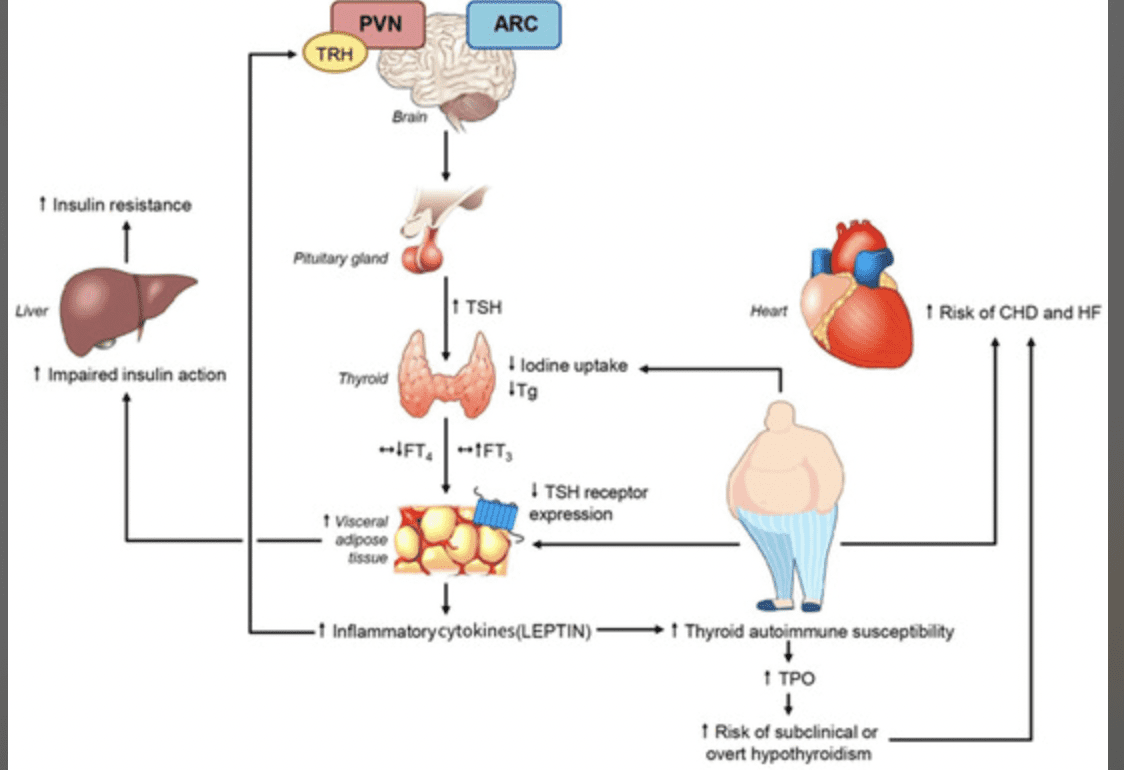
Thyroid function and insulin sensitivity are closely linked, and problems with one often affect the other. Lower thyroid levels can make your cells resistant to insulin. Conversely, increased levels of insulin can actually block your thyroid hormones from being activated and used properly by your body.
When insulin stays elevated for long periods:
- Fat becomes harder to access for energy.
- Inflammatory signals increase.
- Thyroid hormones may not reach their target effectively.
This is one reason you can still have symptoms even when medication doses appear correct. Hormones may be present, but they are not being fully “heard” by your cells.
Why Weight Feels So Stubborn With Hypothyroidism
Weight changes related to hypothyroidism aren’t always about calories. Many people with thyroid conditions notice that their bodies seem resistant to weight loss, no matter how carefully they eat. This is about how your body burns fuel, not your willpower.
When insulin remains high throughout the day:
- The body tends to store energy rather than release it.
- Hunger cues become louder.
- Energy output quietly drops.
Cutting calories further may seem logical, but for many thyroid patients, it has the opposite effect. Eating too little can push stress hormones higher, interfere with thyroid hormone conversion, and make insulin resistance worse. The result? More effort, fewer results.
The Hormones Behind the Scenes
Thyroid health doesn’t operate in isolation. Several other hormones shape how your metabolism feels from day to day.
Insulin: More Than a Blood Sugar Tool
Insulin’s role isn’t just to manage glucose—it also signals whether the body should store or use energy. When cells don’t respond well, insulin increases in an attempt to reach a normal level. In the long run, this high-insulin environment makes fat loss more difficult and can weaken thyroid hormone activity at the cellular level.
AMPK: How the Body Senses Energy Availability
AMPK helps the body manage energy and decide when to store fuel and when to use it. When it’s working well, cells burn fuel more smoothly, helping insulin function more effectively. In people with thyroid conditions, overall energy regulation becomes less efficient—especially when stress and insulin resistance are present. Gentle movement, regular meals, and enough fuel support AMPK better than extreme approaches.
Leptin and Appetite Signals
Leptin communicates fullness and energy sufficiency to the brain. When leptin signaling becomes less effective, hunger can feel constant, even when food intake hasn’t changed. This can also interfere with how the brain signals the thyroid, causing a slower metabolism and difficulty losing weight.
Cortisol and Ongoing Stress
Stress—whether emotional, physical, or dietary—raises cortisol. High cortisol increases your blood sugar, which forces your body to make more insulin. This is why pushing harder isn’t always the answer. Doing intense workouts, eating too little, or strict fasting can leave thyroid patients feeling worse rather than better.
How Insulin Resistance Can Exist Even When Blood Sugar Looks “Normal”
One of the most confusing aspects of insulin resistance is that it often develops long before standard blood sugar tests show a problem. Many people assume insulin issues only exist once glucose or A1C numbers are elevated, but insulin resistance can be present years earlier.
In these early stages, the body compensates by producing more insulin to keep blood sugar within a normal range. On paper, everything looks fine. Inside the body, however, cells are already struggling to respond efficiently. This can lead to fatigue after meals, difficulty concentrating, and feeling hungry again shortly after eating.
For people with thyroid conditions, this compensation phase can last longer and feel more intense. Because thyroid hormones influence how cells use glucose, insulin demand increases more quickly. By the time blood sugar levels finally rise, insulin resistance has often been present for quite some time.
Signs Insulin Resistance May Be Contributing to Ongoing Thyroid Symptoms
Because insulin resistance doesn’t always appear clearly in lab work, symptoms often provide the earliest clues. These signs are frequently attributed solely to hypothyroidism, which can delay addressing the underlying issue.
Common signs include:
- Fatigue or sleepiness after meals
- Brain fog or difficulty focusing
- Cravings for carbohydrates or sweets
- Feeling shaky or irritable when meals are delayed
- Weight gain around the midsection
- Difficulty losing weight despite consistent effort
These symptoms are not a personal failure. They reflect how the body adapts to repeated blood sugar swings, stress signals, and hormone communication that isn’t being received clearly.
Why Restrictive Dieting Often Makes Things Worse
When symptoms persist, many people try to regain control by eating less, cutting carbohydrates, or increasing exercise intensity. While these strategies may seem logical, they often worsen the underlying hormonal environment for thyroid patients.
Restrictive dieting raises stress hormones and increases cortisol. This further disrupts blood sugar regulation and pushes insulin higher. Instead of improving efficiency, the body becomes more protective and conservative with energy.
Over time, this can lead to:
- Increased fatigue
- Stronger cravings
- Slower metabolic output
- Greater difficulty losing weight
This doesn’t mean nutrition doesn’t matter. It means the body responds better to support than to pressure.
Supporting Insulin Sensitivity Without Adding More Stress
Improving insulin sensitivity does not require extreme approaches. In fact, consistency and adequacy are often far more effective for people with thyroid conditions.
Supportive strategies may include:
- Eating enough to support thyroid hormone conversion
- Avoiding long gaps between meals
- Including carbohydrates to reduce stress signals
- Prioritizing strength training and gentle movement
- Protecting sleep and managing daily stress
When the body feels safe and well-fueled, insulin signaling often improves naturally.
How Improving Insulin Sensitivity Supports Thyroid Function
As insulin levels begin to stabilize, several changes often follow:
- Thyroid hormones are more easily activated
- Cells respond more clearly to metabolic signals
- Energy production becomes more efficient
- Hunger cues feel more predictable
This is why addressing insulin resistance can improve symptoms even when thyroid medication remains unchanged. The hormones were already present—the environment simply needed to support how they work.
Bringing the Bigger Picture Together
Thyroid conditions rarely exist in isolation. They reflect a complex network involving insulin, stress hormones, energy availability, and cellular communication.
When insulin resistance is present, thyroid hormones struggle to do their job effectively. When insulin sensitivity improves, the entire system becomes more flexible and resilient.
Final Thoughts
If any of this feels familiar, you’re not alone. Many people with thyroid conditions spend years trying harder, eating less, or pushing through fatigue without realizing that insulin resistance may be quietly influencing how their body responds. Sometimes the most helpful shift isn’t doing more—it’s understanding what your body has been trying to communicate all along. Knowing your numbers and having them evaluated for optimal function, not just whether they fall within a “normal” range, can make a meaningful difference. Paying attention to your energy levels, how you feel after meals, and how stress shows up in your day—alongside checking the right lab markers—can help you and your provider create a more strategic plan to reduce insulin resistance and better support thyroid health.
Sources
-
Cleveland Clinic – Insulin Resistance: Causes, Symptoms, and Treatment
https://my.clevelandclinic.org/health/diseases/22206-insulin-resistance -
Harvard T.H. Chan School of Public Health – Carbohydrates, Blood Sugar, and Insulin
https://nutritionsource.hsph.harvard.edu/carbohydrates/ -
National Institutes of Health (NIH) – Insulin Resistance
https://www.ncbi.nlm.nih.gov/books/NBK507839/ -
Why can insulin resistance be a natural consequence of thyroid dysfunction?
https://doi.org/10.4061/2011/152850 -
Diabetes and the thyroid: What is the connection?
https://www.medicalnewstoday.com/articles/thyroid-and-diabetes -
Thyroid Function and the Risk of Pre-diabetes and Type 2 Diabetes
https://academic.oup.com/jcem/article/107/6/1789/6523041
